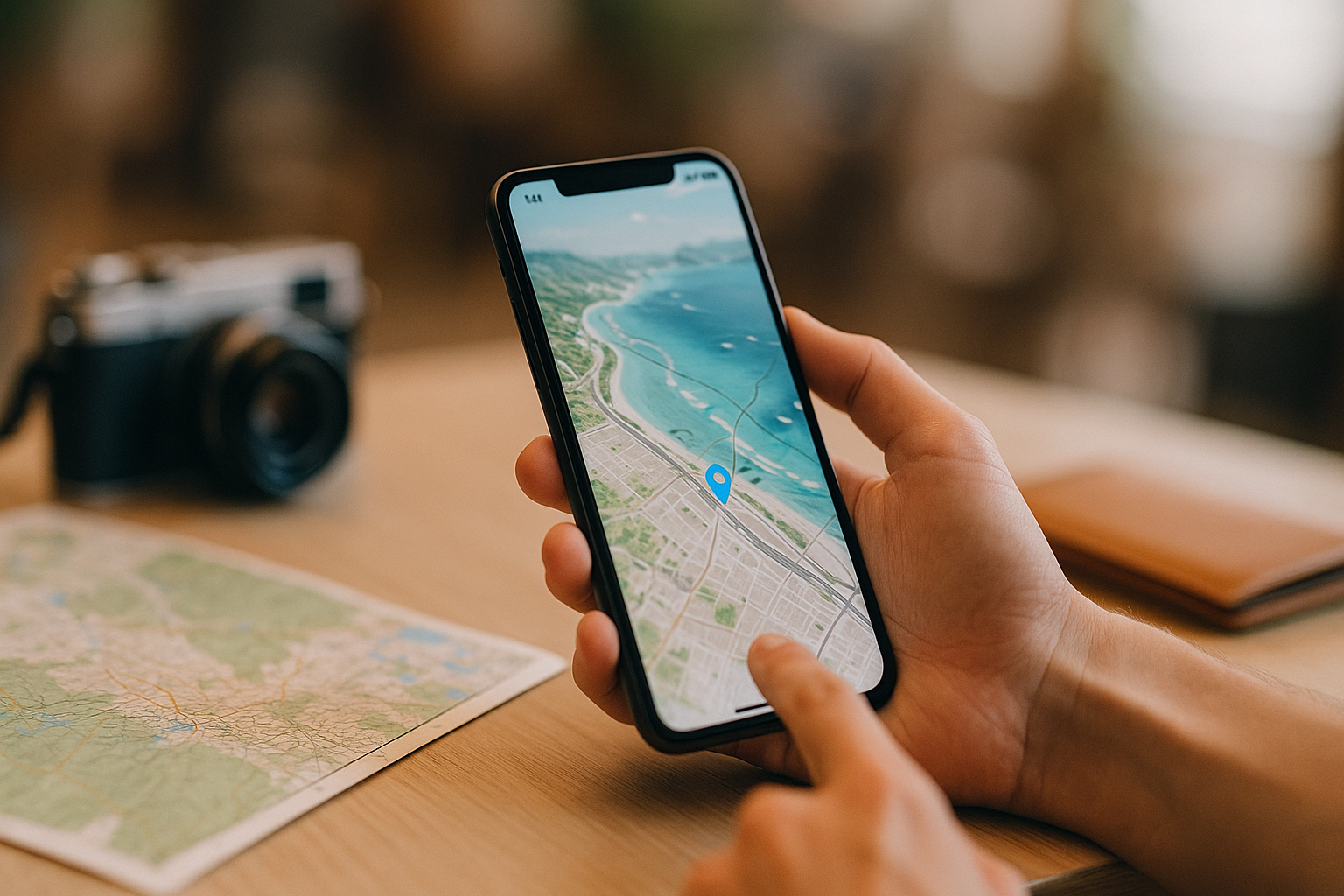
You’re standing in an airport terminal at 2 AM, your flight just got canceled, and you have no idea where you’ll sleep tonight. Or maybe you’re lost in a foreign city where your phone’s translation app just failed spectacularly. These travel nightmares share one common thread: they could have been prevented or solved with the right apps already downloaded on your phone. The problem is, most travelers don’t discover these game-changing tools until after they desperately need them.
The difference between a smooth journey and a stressful disaster often comes down to having the right digital toolkit ready before problems strike. While everyone knows about the obvious apps like Google Maps or their airline’s official app, the real travel superstars are the lesser-known tools that handle everything from last-minute accommodation emergencies to splitting dinner bills in multiple currencies. Whether you’re planning a cross-country road trip or navigating international airports, these apps will transform how you travel.
Navigation Apps That Actually Work Offline
Google Maps might be your go-to for everyday navigation, but it becomes nearly useless the moment you lose internet connection or cross into a country where data roaming costs a fortune. This is where dedicated offline navigation apps prove their worth, and why experienced travelers swear by alternatives that most people have never heard of.
Maps.me stands out as the gold standard for offline navigation. Unlike Google Maps’ limited offline functionality, Maps.me lets you download entire countries worth of detailed maps that include hiking trails, public transportation routes, and even building outlines. The app works completely without internet once you’ve downloaded your maps, and the search function remains fully operational. For travelers exploring remote areas or trying to stick to a tight budget by avoiding international data charges, this app is non-negotiable.
What makes Maps.me particularly valuable is its crowdsourced points of interest. Local users mark everything from hidden viewpoints to the best street food stalls, information you won’t find in official tourism guides. The app also shows real elevation data, which becomes crucial when you’re walking in hilly cities like San Francisco or Lisbon and want to avoid accidentally climbing the equivalent of a skyscraper on foot.
For urban travelers specifically, Citymapper deserves equal attention. While it requires internet connection, it excels at public transportation navigation in major cities worldwide. The app integrates real-time departure data, service disruptions, and even tells you which train car to board for the quickest exit at your destination station. It calculates journey costs, compares different route options, and includes bike-sharing and scooter rental availability in cities where those services operate.
Money Management Tools for International Travel
Few things ruin a trip faster than discovering you’ve been hemorrhaging money through currency conversion fees and unfavorable exchange rates. Traditional banks and credit cards often charge 3-5% in foreign transaction fees, which adds up shockingly fast on a two-week international trip. Smart travelers use specialized apps to minimize these costs and track spending across multiple currencies.
Wise (formerly TransferWise) revolutionized international money management by offering a debit card that converts currency at the actual mid-market exchange rate with minimal fees. The app lets you hold balances in multiple currencies simultaneously, which means you can load money when exchange rates favor you rather than converting at the worst possible moment. For frequent travelers, the savings compared to traditional bank cards can easily reach hundreds of dollars per trip.
The Wise app also solves the eternal problem of splitting bills with travel companions when everyone is paying in different currencies. You can send money to other Wise users instantly and free, or transfer to regular bank accounts for a small fee that’s still far cheaper than services like Western Union. The app shows you exactly what fees you’re paying before you confirm any transaction, eliminating the hidden costs that traditional banks bury in fine print.
For expense tracking, Trail Wallet specifically targets travelers who need to monitor spending across multiple currencies and countries. The app lets you set daily budgets, categorize expenses, and see your spending patterns over the course of a trip. It automatically converts everything to your home currency for easy comparison, but also shows you spending in local currency so you develop an intuitive sense of costs in each country you visit.
Accommodation Apps Beyond the Obvious
Everyone knows about Airbnb and Booking.com, but relying solely on mainstream accommodation apps means you’re missing better deals and unique stays that never appear on those platforms. The accommodation landscape includes specialized apps that cater to specific travel styles, often with significantly better pricing and more interesting options.
HotelTonight started as a last-minute booking app for same-day stays but has evolved into a powerful tool for spontaneous and flexible travelers. Hotels list unsold inventory at steep discounts, sometimes 50-70% off regular rates. The app works best for travelers who can make decisions quickly and don’t need to plan every detail months in advance. If you’re doing a solo adventure where your schedule is flexible, HotelTonight can transform your accommodation budget.
For longer stays or travelers seeking local experiences, Trusted Housesitters offers something completely different: free accommodation in exchange for pet and house sitting. Homeowners list their properties when they’ll be traveling and need someone to care for their pets. You get free housing in locations ranging from apartments in Tokyo to villas in Tuscany, and they get peace of mind knowing their animals are cared for. The app requires a subscription fee, but if you’re planning extended travel, one or two house sits will more than cover the cost.
Hostelworld remains essential for budget travelers and anyone seeking social accommodation, but its real value lies in the detailed, verified reviews that help you distinguish party hostels from quiet ones, clean facilities from questionable ones. The app’s booking system also lets you reserve beds with minimal upfront payment, maintaining flexibility if your plans change. For travelers just starting their exploration of lesser-known destinations, hostels booked through this app often provide the best introduction to local culture and instant travel companions.
Translation and Communication Essentials
Getting lost in translation isn’t charming when you’re trying to explain a food allergy or understand train departure times. While Google Translate gets the job done for basic needs, specialized communication apps handle specific situations much more effectively and work reliably even in countries where internet access is spotty.
iTranslate Voice focuses specifically on spoken conversation, offering remarkably accurate real-time translation for face-to-face interactions. The app works in over 40 languages and includes a conversation mode where both parties speak into the phone in their native languages. It’s particularly useful in restaurants, taxis, and shops where you need quick back-and-forth communication. The offline mode requires a paid subscription but becomes invaluable in remote areas or when you want to avoid data charges.
For reading signs, menus, and written text, Google Translate’s camera feature is genuinely impressive, but Waygo specializes in Asian languages (Chinese, Japanese, Korean) and works completely offline. Point your camera at a menu or street sign, and it instantly translates the text without needing internet. For travelers in Asia who don’t read the local script, this app prevents countless ordering mishaps and navigation mistakes.
WhatsApp might seem too obvious to mention, but many travelers don’t realize it’s the dominant messaging platform in most countries outside North America. If you’re still trying to coordinate with local tour guides, hotel staff, or new friends through regular SMS, you’re making things harder than necessary. WhatsApp works over WiFi, includes voice and video calling, and lets you share locations and photos easily. Installing it before you travel and getting comfortable with the interface will make international communication infinitely smoother.
Safety and Emergency Planning Tools
Travel emergencies range from minor inconveniences to serious crises, and having the right apps installed before problems occur can make the difference between a quick solution and a genuine disaster. These tools handle everything from finding emergency medical care to alerting contacts if something goes seriously wrong.
Smart Traveler, the official app from the U.S. State Department, provides crucial safety information that most travelers ignore until it’s too late. The app includes country-specific safety alerts, contact information for U.S. embassies and consulates worldwide, and lets you enroll in the Smart Traveler Enrollment Program (STEP). STEP enrollment means the embassy knows you’re in the country and can contact you during emergencies, natural disasters, or civil unrest. For international travelers from any country, finding your own government’s equivalent app should be a priority.
GeoSure provides real-time safety scores for specific neighborhoods in cities worldwide, rating areas based on factors like physical safety, theft risk, and LGBTQ+ friendliness. The ratings come from local data, recent incident reports, and community feedback. This granular information helps you make informed decisions about where to walk at night or which neighborhoods to avoid, especially valuable for solo travelers or anyone visiting a city for the first time.
For medical emergencies abroad, the International SOS Assistance App connects you to medical and security specialists 24/7. The app includes a directory of vetted hospitals and clinics worldwide, travel health advice specific to your destinations, and direct access to emergency coordinators who can arrange evacuations if necessary. While the full service requires membership, even the free version provides valuable health alerts and facility locations.
Flight and Airport Navigation Apps
Airlines want you using their official apps, but third-party flight tracking and airport navigation tools often provide better functionality and work across multiple carriers. These apps turn confusing airport experiences into streamlined processes and give you information airlines don’t always share proactively.
According to travel app experts, Flighty has become the gold standard for flight tracking among frequent flyers. The app provides earlier delay notifications than airlines typically send, shows detailed information about incoming aircraft, and includes features like delay predictions based on historical data. It tracks your entire trip including connections and provides personalized notifications about gate changes, boarding times, and potential issues that might affect your journey.
GateGuru helps you navigate the chaos of unfamiliar airports by providing terminal maps, showing amenities near your gate, and displaying user reviews of airport restaurants and shops. The app tells you security wait times, helps you find everything from charging stations to quiet spaces, and even shows you which airline lounges you might have access to based on your ticket and credit cards. For travelers who frequently connect through major hubs, this information transforms stressful layovers into manageable experiences.
App in the Air combines flight tracking with trip organization, automatically importing booking confirmations from your email and creating a complete itinerary. The app includes airport maps, tracks your loyalty program miles across different airlines, and provides packing lists customized to your destination’s weather. As noted by experienced travel bloggers, it essentially serves as a digital travel assistant that keeps all your trip information in one place.
Local Experience and Activity Planning
Guidebooks and mainstream tour sites typically showcase the same overcrowded attractions that every tourist visits. Apps designed by locals and frequent travelers reveal the authentic experiences that make destinations memorable, from underground music venues to family-run restaurants that don’t even have websites.
Eatwith connects travelers with local hosts who offer home-cooked meals and cooking classes in their own homes. Instead of eating at tourist-trap restaurants, you join a local family’s dinner table or learn to cook regional dishes from someone who actually grew up making them. The experiences range from casual dinners to elaborate multi-course events, all providing genuine cultural immersion that you can’t get from conventional tourism.
Roadtrippers excels at planning driving routes with interesting stops along the way, perfect for anyone embarking on exploring America’s hidden natural gems. The app suggests attractions, restaurants, and scenic viewpoints based on your route, helping you discover roadside oddities and local favorites that you’d otherwise drive right past. You can filter suggestions by category, save favorites to your trip, and share your route with travel companions.
For urban exploration, Spotted by Locals provides insider guides written by actual residents of each city. The recommendations come from people who live there year-round, not travel writers passing through for a weekend. The guides get regularly updated, ensuring suggestions remain current rather than pointing you toward restaurants that closed three years ago. The app covers dozens of major cities worldwide and works offline once you download your destination guide.
Making Apps Work Together
The real power of travel apps emerges when you use them in combination rather than relying on any single solution. Smart travelers develop a personalized app ecosystem that covers planning, navigation, communication, and emergencies without overwhelming their phones with redundant tools.
Start by identifying your specific travel style and vulnerabilities. Budget travelers prioritize accommodation and expense tracking apps. Adventurous travelers need robust offline navigation and emergency tools. Frequent travelers benefit most from flight tracking and loyalty program integration. Solo travelers should emphasize safety and communication apps. Your ideal setup depends on how you actually travel, not what some generic packing list recommends.
Download and test critical apps before your trip, not when you’re already at the airport dealing with a crisis. Set up accounts, download offline maps and translations for your destinations, and familiarize yourself with each app’s interface. Nothing is more frustrating than discovering an app requires email verification or extensive setup when you desperately need it immediately. Spending thirty minutes preparing your phone before a trip prevents hours of frustration during travel.
Regularly audit your travel apps and delete ones you never actually use. That app you downloaded for a specific trip two years ago is just wasting storage space and making it harder to find the tools you genuinely need. Keep your core navigation, communication, and emergency apps, plus one or two specialized tools for your current destination. A lean, well-organized collection of apps serves you better than a cluttered phone full of forgotten downloads.
The apps on your phone should enhance your travel experience, not dominate it. The best moments of any journey happen when you’re engaged with your surroundings, not staring at a screen. Use technology to solve problems, navigate efficiently, and access opportunities you’d otherwise miss, but remember that apps are tools to support your adventure, not the adventure itself. Download these essentials, learn how to use them effectively, and then focus on experiencing the places and people that make travel worthwhile.

Leave a Reply