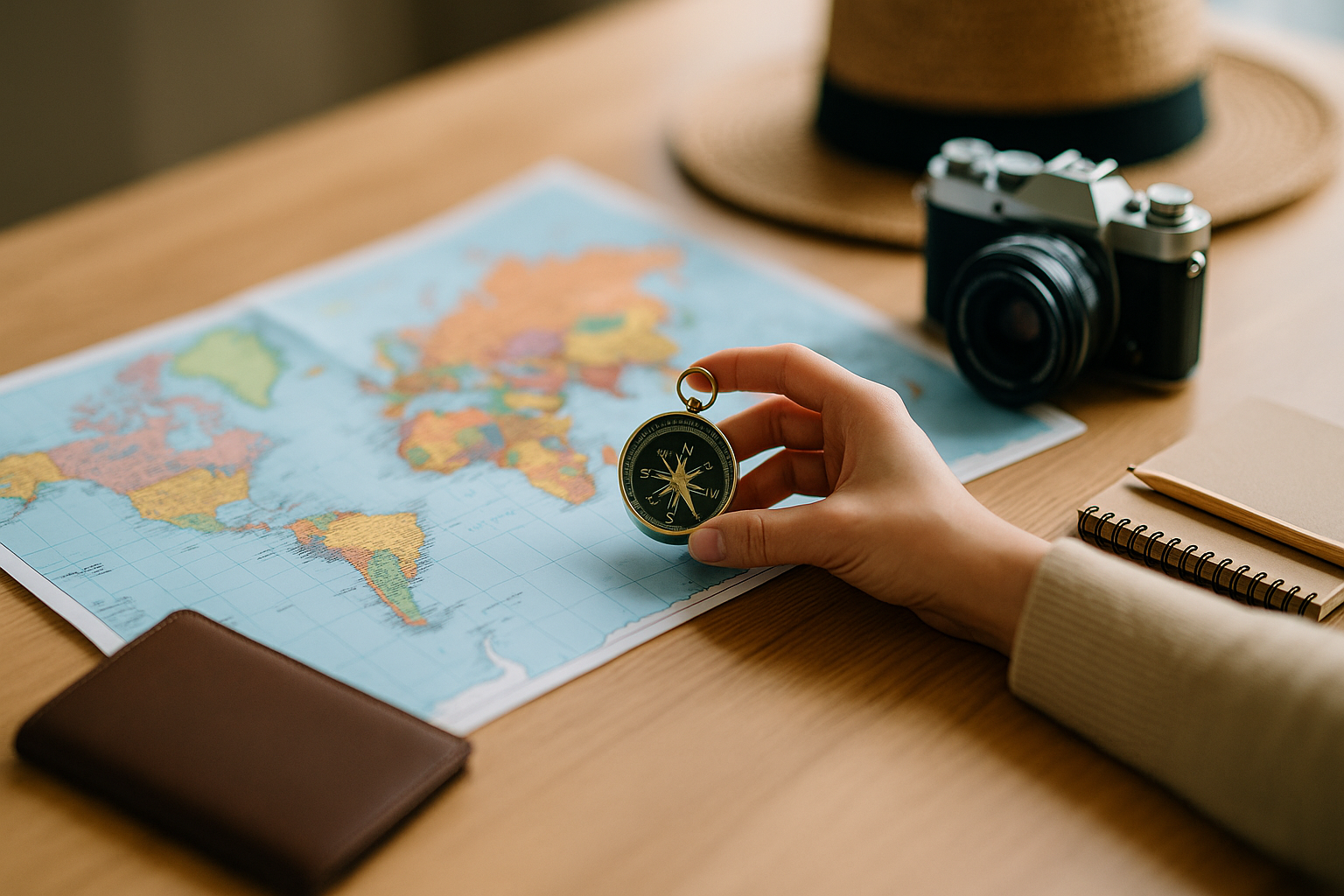
Your passport arrives in the mail, crisp and empty, representing countless possibilities and adventures waiting to happen. But between that pristine document and actually boarding an international flight lies a planning process that can feel overwhelming. The difference between travelers who have amazing first international trips and those who return stressed and disappointed often comes down to preparation, not luck.
Planning your first international journey doesn’t require a travel agent or endless research. What it does require is a systematic approach that addresses the practical details while leaving room for spontaneity. Whether you’re heading to Europe, Asia, South America, or anywhere beyond your home country’s borders, following a clear step-by-step process transforms the planning phase from stressful to exciting.
Choose Your Destination Wisely
Your first international destination sets the tone for all future travels, so this choice matters more than you might think. Rather than picking the most exotic location you can imagine, consider starting with a country that offers a gentle introduction to international travel. English-speaking destinations like the United Kingdom, Ireland, Australia, or New Zealand reduce language barriers while still providing genuine cultural differences. Alternatively, countries with well-developed tourist infrastructures such as Japan, France, or Costa Rica make navigation easier for first-timers.
Think about your interests and travel style when narrowing down options. Are you drawn to historical sites, natural landscapes, culinary experiences, or urban exploration? Your first trip should align with what genuinely excites you, not what looks impressive on social media. Budget also plays a crucial role. Southeast Asian countries like Thailand or Vietnam offer incredible experiences at lower costs than Western European destinations, allowing your money to stretch further.
Research visa requirements early in this decision-making process. Some countries allow visa-free entry for tourists from certain nations, while others require applications weeks or months in advance. The U.S. Department of State website provides detailed entry requirements for American travelers, and similar resources exist for other nationalities. This practical consideration might be the deciding factor between two equally appealing destinations.
Master the Passport and Visa Requirements
If you already have a passport, check its expiration date immediately. Many countries require your passport to be valid for at least six months beyond your planned departure date. If your passport expires within that window, renew it now rather than risking entry denial. Processing times vary dramatically depending on demand, so apply at least three to four months before your intended travel dates to avoid paying expensive expedited fees.
First-time passport applicants need to apply in person at designated acceptance facilities, which include post offices, libraries, and county clerk offices. You’ll need proof of citizenship (typically a birth certificate), a government-issued photo ID, a passport photo, and the application fee. The process itself is straightforward, but gathering the required documents takes time, especially if you need to request a birth certificate from another state.
Visa requirements vary wildly by destination and your nationality. Some countries offer visa-free entry for tourism, others provide visas on arrival, and some require advance applications with supporting documentation. Tourist visas for popular destinations like India or China require completed applications, photos, proof of onward travel, and sometimes hotel reservations. Start this process at least six weeks before departure. According to experienced international travelers, understanding these requirements early prevents last-minute panic and potential trip cancellations.
Book Your Flights Strategically
Flight booking strategy can save you hundreds of dollars and significantly impact your travel experience. The sweet spot for international flight booking typically falls between two to four months before departure for most destinations. Booking too early means missing out on sales, while waiting too long results in premium pricing as seats fill up. Use flight comparison tools like Google Flights, Skyscanner, or Kayak to track prices across multiple airlines and dates.
Flexibility with your travel dates unlocks better deals. Flying mid-week rather than on weekends, avoiding major holidays, and considering shoulder season travel (the periods just before and after peak season) all reduce costs substantially. Red-eye flights and those with longer layovers also tend to be cheaper, though you’ll need to weigh savings against comfort and time considerations.
Pay attention to what’s included in your ticket price. Budget carriers might offer attractive base fares but charge extra for checked bags, seat selection, meals, and even carry-on luggage. A slightly more expensive ticket with a traditional carrier often provides better overall value when you factor in included amenities. For your first international trip, consider paying a bit more for a direct flight or shorter layover to reduce stress and potential connection issues.
Arrange Accommodation That Fits Your Style
Where you stay shapes your entire travel experience, extending far beyond just having a place to sleep. Hotels offer consistency, daily housekeeping, and front desk assistance, which provides reassuring support for first-time international travelers. Vacation rentals through platforms like Airbnb or Vrbo give you more space, kitchen facilities, and opportunities to live like locals. Hostels aren’t just for backpackers anymore. Many modern hostels offer private rooms alongside dorms, creating built-in social opportunities while maintaining comfort.
Location matters more than luxury for most travelers. A modest hotel in a central neighborhood beats a fancy resort in the suburbs, as you’ll save time and money on transportation while having easier access to attractions, restaurants, and local life. Research the neighborhood thoroughly using Google Maps street view, recent reviews, and travel forums to understand what surrounds your potential accommodation.
Book your first few nights before arriving, giving yourself a secure landing spot while you orient yourself to the new country. You can always extend if you love the place or move elsewhere once you get local recommendations and understand the area better. Read recent reviews carefully, focusing on comments from travelers with similar priorities to yours. If you’re planning extensive exploration, smart packing strategies ensure you can move between accommodations comfortably.
Handle Money and Banking Smartly
Financial preparation prevents expensive mistakes and stressful situations abroad. Contact your bank and credit card companies at least two weeks before departure to notify them of your travel plans. Without this notification, fraud detection systems might freeze your cards when transactions suddenly appear from foreign countries, leaving you stranded without access to funds.
Research which credit cards offer the best benefits for international travel. Cards with no foreign transaction fees save you three percent on every purchase abroad. Many travel rewards cards also provide valuable protections like trip cancellation insurance, lost luggage coverage, and rental car insurance. Using credit cards for most purchases also gives you better exchange rates than currency exchange services and creates a clear record of your spending.
Carry at least two different payment methods. If one card gets lost, stolen, or stopped working, you’ll have a backup. Withdraw local currency from ATMs after arriving rather than exchanging money at airport kiosks, which typically offer poor rates and high fees. Notify your bank that you’ll be making ATM withdrawals abroad, and ask about their international ATM fees and partner banks that might offer reduced charges.
Keep some U.S. dollars (or your home currency) as emergency backup, stored separately from your regular wallet. Around one hundred to two hundred dollars in small bills can be exchanged if electronic payment systems fail or you encounter situations where only cash works. According to seasoned travel planners, having multiple financial backup options provides crucial peace of mind during your first international adventure.
Protect Your Health and Safety
Medical preparation for international travel extends beyond packing band-aids and pain relievers. Schedule a travel health consultation with your doctor at least four to six weeks before departure. Some countries require specific vaccinations for entry, while others have recommended vaccines that protect against diseases uncommon in your home country. Vaccinations like hepatitis A and B, typhoid, or yellow fever need time to become effective, and some require multiple doses spaced weeks apart.
Investigate whether your health insurance covers medical care abroad. Most domestic U.S. health plans provide limited or no coverage outside the country. Travel medical insurance fills this gap, covering emergency medical care, hospital stays, and medical evacuation if necessary. Comprehensive travel insurance also protects your financial investment by covering trip cancellations, interruptions, and lost luggage. Companies like World Nomads, Allianz, and Travel Guard offer policies tailored to different trip types and budgets.
Prepare a travel health kit with prescription medications in their original containers, over-the-counter remedies for common issues like headaches, allergies, and stomach problems, and any specific items you might struggle to find abroad. Pack medications in your carry-on luggage to ensure access if checked bags go missing. Bring copies of prescriptions and a letter from your doctor explaining any necessary medical equipment or large quantities of medication to smooth potential customs questions.
Register with your country’s embassy or consulate program before traveling. The U.S. Smart Traveler Enrollment Program (STEP) allows the State Department to contact you during emergencies and helps them locate you if family needs to reach you urgently. Similar programs exist for other nationalities. This free service takes five minutes but provides valuable safety infrastructure during your trip.
Plan Your Itinerary With Flexibility
Creating a loose itinerary balances structure with spontaneity. Research major attractions, typical costs, and must-see experiences at your destination, but avoid scheduling every hour of every day. Over-planning leads to exhaustion and eliminates opportunities for unexpected discoveries that often become trip highlights. Identify three to four priorities for each day, leaving gaps for rest, unplanned exploration, and flexibility when something takes longer than expected.
Consider the practical realities of jet lag when planning your first few days. If you’re crossing multiple time zones, you’ll likely feel disoriented and tired initially. Schedule lighter activities for day one and two, saving demanding experiences for when you’ve adjusted. Many travelers make the mistake of cramming activities into their first day, then spending the next two days recovering.
Research transportation options between attractions and neighborhoods. Understanding whether you’ll rely on public transit, taxis, or walking helps you estimate realistic timeframes for daily activities. Download relevant apps before departure, whether that’s the London Underground app, Japan’s Hyperdia for train schedules, or Rome2rio for multi-modal transportation planning. Learning basic public transportation etiquette for your destination prevents awkward situations and helps you blend in better.
Build in downtime intentionally. Sitting in a local cafe for an hour, wandering through a neighborhood without a specific destination, or simply resting at your accommodation aren’t wasted time. These moments let you absorb the destination’s atmosphere and often lead to memorable interactions. For inspiration on handling the inevitable challenges of extended travel, consider how solo travelers maintain positive experiences even when facing unexpected situations.
Prepare Communication and Technology
Staying connected abroad requires advance planning unless you enjoy expensive surprise charges on your phone bill. Contact your mobile carrier about international plans, which typically add a daily or monthly fee but allow you to use your existing phone and number abroad. These plans work well for shorter trips but become expensive for extended travel.
Alternatively, purchase a local SIM card after arriving at your destination. This option provides local rates for calls and data, though it means having a different phone number during your trip. Your phone must be unlocked to use international SIM cards, so verify this with your carrier before departure. Some travelers prefer portable WiFi devices that create personal hotspots, allowing multiple devices to connect without swapping SIM cards.
Download essential apps before leaving home, including offline maps (Google Maps allows you to download specific areas), translation tools like Google Translate, and currency converters. Many of these apps offer offline functionality, providing crucial assistance even without internet access. Save important documents digitally as well, including copies of your passport, visa, travel insurance, and accommodation confirmations. Email these to yourself and save them in cloud storage for access from any device.
Bring appropriate charging equipment for your destination. Different countries use different electrical outlets and voltages. A universal travel adapter handles the physical plug differences, while most modern electronics automatically handle voltage differences. Double-check that your specific devices support dual voltage (110-240V) to avoid damage from incompatible electrical systems.
Master Essential Packing
Packing for your first international trip generates anxiety for most travelers, torn between bringing everything they might need and traveling light. The truth is that you can buy almost anything you forget at your destination, often for less money than at home. Focus on essentials that are difficult to replace or specific to your needs, like prescription medications, specific toiletries, and comfortable walking shoes already broken in.
Choose versatile clothing items that mix and match easily and can be dressed up or down. Neutral colors in washable fabrics form the foundation of an efficient travel wardrobe. Plan to do laundry during your trip rather than packing outfits for every single day. Many accommodations offer laundry facilities, or you can hand-wash items in your room. This approach dramatically reduces luggage weight and leaves room for souvenirs on your return journey.
Organize belongings with packing cubes or compression bags, which maximize space and keep items organized throughout your trip. Roll clothes instead of folding them to minimize wrinkles and save space. Pack a small day bag or backpack for daily excursions, keeping your hands free and your valuables secure. This bag should hold water, snacks, sunscreen, your phone, wallet, and any daily necessities.
Create a carry-on survival kit with items you’ll need if your checked luggage goes missing. Include one complete outfit, essential medications, basic toiletries, chargers, and any items you absolutely cannot replace at your destination. While lost luggage is relatively rare, having this backup transforms a potential disaster into a minor inconvenience. As outlined by comprehensive travel guides, preparation for various scenarios ensures you handle unexpected situations calmly.
Learn Basic Cultural Awareness
Understanding basic cultural norms shows respect and enhances your experience abroad. You don’t need to become an expert on every custom, but knowing fundamental etiquette prevents offensive mistakes. Research appropriate dress codes, especially for religious sites that might require covered shoulders and knees. Learn whether tipping is expected, offensive, or simply unnecessary at your destination, as customs vary dramatically between countries.
Memorize a few essential phrases in the local language. Hello, please, thank you, excuse me, and where is the bathroom cover most basic interactions. Making the effort to use local language, even poorly, demonstrates respect and often results in warmer interactions than immediately defaulting to English. Many locals appreciate the attempt regardless of your pronunciation.
Understand dining customs that differ from your home country. Some cultures consider it rude to start eating before everyone is served, while others begin immediately. Meal timing varies significantly. Mediterranean countries often eat dinner much later than Americans expect, while some Asian countries have earlier dining schedules. Researching these differences helps you align with local rhythms rather than struggling against them.
Be aware of photography restrictions and etiquette. Some religious sites prohibit photos entirely, while others allow them in certain areas. Always ask permission before photographing local people, especially in markets or rural areas. What seems like innocent travel documentation to you might feel invasive or disrespectful to your subjects. When you return and reflect on your experience, you might find that extended time abroad reveals cultural nuances that shorter trips only hint at.
Finalize Pre-Departure Details
The final two weeks before departure require focused attention to remaining details. Confirm all reservations for flights, accommodation, and any pre-booked activities or tours. Screenshot or print confirmations rather than relying solely on email access abroad. Set up automatic bill payments for any obligations at home, ensuring nothing gets missed while you’re away.
Arrange care for any dependents, including pets, plants, or property that needs monitoring. Give trusted contacts your itinerary with accommodation details and flight information. While you don’t need to check in constantly, someone back home should know your general whereabouts and how to reach you in emergencies. Share access to your travel insurance policy details with this emergency contact as well.
Handle home security by stopping mail delivery or having someone collect it regularly. A mailbox stuffed with accumulated mail advertises your absence to potential burglars. Set lights on timers to create the appearance of occupancy. Inform neighbors of your travel dates if you have a good relationship with them, as they can monitor for any unusual activity.
Complete a final document check the night before departure. Verify you have your passport, visa (if required), printed flight confirmations, accommodation details, credit cards, and any essential medications. Charge all electronic devices fully and pack chargers in accessible locations. Set multiple alarms to ensure you wake up with plenty of time to reach the airport, accounting for traffic and security line delays.
Your first international trip represents a significant milestone, opening doors to experiences and perspectives that reshape how you see the world. While the planning process involves numerous steps and considerations, approaching it systematically makes each element manageable. The preparation you invest now pays dividends throughout your journey, transforming potential stress points into smooth transitions. Most importantly, remember that even with perfect planning, unexpected situations will arise. That’s not a planning failure but rather an integral part of travel that often leads to the most memorable stories and valuable lessons.

Leave a Reply