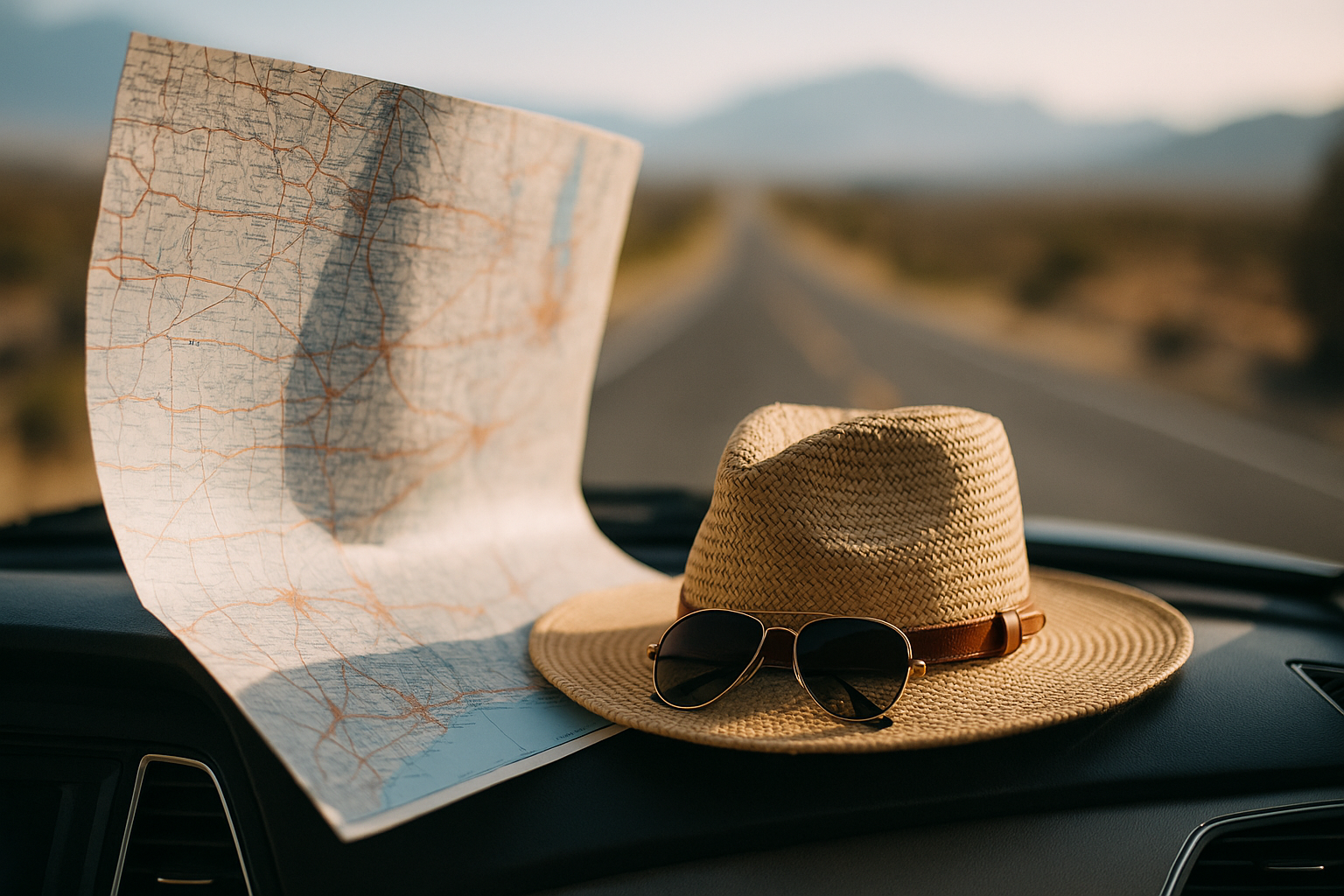
There’s something uniquely American about hitting the open road with nothing but a full tank of gas, a great playlist, and endless possibilities ahead. Road trips represent freedom, adventure, and the chance to see parts of this incredible country that you’d miss from 30,000 feet. As we head into 2025, the call of the highway is stronger than ever, with travelers seeking authentic experiences, stunning landscapes, and memorable moments that social media feeds just can’t capture.
Whether you’re dreaming of coastal drives, mountain passes, desert vistas, or charming small-town stops, this year’s best road trips offer something for every type of traveler. I’ve compiled the most exciting routes to explore in 2025, from classic favorites with new twists to lesser-known gems that deserve their moment in the spotlight. Grab your sunglasses and let’s map out your next great American adventure.
The Pacific Coast Highway: California’s Iconic Coastal Journey
The Pacific Coast Highway remains the gold standard of American road trips, and 2025 is shaping up to be an exceptional year to experience it. Running along California’s coastline from San Diego to the Oregon border, this route offers over 600 miles of jaw-dropping ocean views, dramatic cliffs, and picture-perfect beach towns.
Start in San Diego and work your way north through classic surf towns like Huntington Beach and Santa Monica. The real magic begins around Santa Barbara, where the road hugs the coastline more intimately. Big Sur, the crown jewel of this route, stretches for 90 miles of some of the most photographed coastline in the world. The Bixby Creek Bridge alone is worth the drive, but don’t miss McWay Falls, where a waterfall cascades directly onto the beach.
Plan for at least five to seven days to truly enjoy this route without rushing. Highway 1 has seen significant repairs following recent storms, making the drive smoother than it’s been in years. Stop at Carmel-by-the-Sea for art galleries and white-sand beaches, explore the sea lion colonies at Pier 39 in San Francisco, and end your journey in the towering redwood forests of Northern California.
Best Time to Drive
April through October offers the most reliable weather, but September and October provide the sweet spot of warm temperatures, smaller crowds, and golden light that photographers dream about. Weekdays are significantly less congested than weekends, especially in popular areas like Big Sur.
The Blue Ridge Parkway: America’s Favorite Scenic Drive
Stretching 469 miles through the Appalachian Mountains from Virginia to North Carolina, the Blue Ridge Parkway earns its title as “America’s Favorite Drive” year after year. In 2025, this route takes on special significance as it celebrates another year of preserving one of the nation’s most beautiful landscapes.
Unlike commercial highways, the parkway was designed purely for pleasure driving. There are no billboards, no strip malls, and no rushing semi-trucks. Just you, the mountains, and curves that reveal new vistas around every bend. The route connects Shenandoah National Park in Virginia to Great Smoky Mountains National Park in North Carolina, essentially giving you three incredible destinations in one trip.
Spring brings wildflowers and waterfalls at their peak flow. Summer offers lush greenery and easy access to hiking trails. But fall steals the show entirely, when the mountains explode in reds, oranges, and golds that look almost artificial in their intensity. Peak fall color typically arrives in mid-October, though this varies by elevation and weather patterns.
Must-Stop Overlooks and Towns
Don’t miss Mabry Mill, the most photographed spot on the entire parkway. The historic gristmill reflected in the pond creates a scene straight from a postcard. Asheville, North Carolina, makes an excellent base for exploring the southern section of the parkway, with its thriving food scene, craft breweries, and the magnificent Biltmore Estate.
Plan for three to five days minimum. The parkway has a 45 mph speed limit, but you’ll want to go slower to take in the views. Bring snacks and water, as services are limited along the route. The parkway is completely free to drive, though some connecting attractions charge entrance fees.
Route 66: The Mother Road Reimagined
Route 66 isn’t just a road trip, it’s a journey through American history, pop culture, and roadside Americana at its finest. While the historic route was officially decommissioned in 1985, dedicated enthusiasts have preserved and marked the original path from Chicago to Santa Monica, creating a 2,400-mile time capsule of mid-century America.
What makes 2025 special for Route 66 travelers is the ongoing restoration of classic motels, diners, and attractions along the route. Towns that once declined when the interstate bypassed them are now thriving again, thanks to road trip enthusiasts seeking authentic experiences over corporate chains.
Start in Chicago at the Route 66 Begin sign on Adams Street. Cross through eight states, each offering distinct flavors of the American experience. Illinois brings you through prairie farmland and classic small towns. Missouri offers St. Louis and its iconic Gateway Arch. Oklahoma serves up more drivable miles of the original route than any other state, plus quirky attractions like the Blue Whale of Catoosa.
Texas takes you through the Panhandle and introduces you to the Cadillac Ranch, where ten Cadillacs are buried nose-first in the ground. New Mexico brings desert landscapes and Native American heritage. Arizona delivers the mother lode: Petrified Forest National Park, meteor craters, the Grand Canyon as a side trip, and the absolute best-preserved section of historic Route 66 through towns like Williams and Seligman.
Planning Your Route 66 Adventure
This journey demands at least two weeks to do it justice. Download the EZ66 Guide app or pick up a detailed Route 66 atlas, as GPS often tries to route you onto faster interstates. The journey is as much about the stops as the driving. Eat at classic diners, stay in vintage motels (many beautifully restored), and talk to locals who can share stories about the road’s heyday.
The Utah Mighty Five: Desert Parks Loop
Utah’s five national parks, collectively known as the Mighty Five, offer some of the most otherworldly landscapes in America. In 2025, a road trip connecting all five parks makes perfect sense, as infrastructure improvements and better visitor management systems make the experience more accessible than ever.
This roughly 800-mile loop includes Zion, Bryce Canyon, Capitol Reef, Arches, and Canyonlands National Parks. Each park showcases a completely different aspect of the Colorado Plateau’s geology. Zion astounds with towering red cliffs and the famous Narrows hike through a slot canyon. Bryce Canyon’s hoodoos, those surreal rock spires, create landscapes that look like they belong on another planet.
Capitol Reef often gets overlooked but offers incredible solitude and the historic Fruita orchards. Arches delivers exactly what its name promises: over 2,000 natural stone arches, including the famous Delicate Arch. Canyonlands provides vast desert vistas and the dramatic Island in the Sky district.
The traditional loop starts in Las Vegas or Salt Lake City, though you can begin from any point. Spring (April-May) and fall (September-October) offer the best weather for hiking without the extreme summer heat. Plan for seven to ten days to adequately explore all five parks without burning out.
Bonus Stops and Practical Tips
Add Grand Staircase-Escalante National Monument and Dead Horse Point State Park to your itinerary. Both offer stunning views with far fewer crowds than the national parks. Book accommodations well in advance, especially in Moab and Springdale. Consider camping for at least part of your trip to fully immerse yourself in the desert experience.
The Great River Road: Following the Mississippi
The Great River Road follows the Mississippi River for 3,000 miles from its source in Minnesota to the Gulf of Mexico. While few people drive the entire route, any section offers a fascinating journey through American history, diverse landscapes, and cultural regions that feel like different countries.
The northern section takes you through the river’s birthplace at Lake Itasca in Minnesota, through Wisconsin’s river bluffs, and past charming river towns that time seems to have forgotten. The middle section includes iconic American cities like St. Louis, Memphis, and their respective musical legacies. The southern section winds through Louisiana’s plantation country and Cajun culture before reaching the river’s end near New Orleans.
Each section deserves at least three to five days. The entire journey could easily fill three weeks. Spring and fall provide the most comfortable weather across the various climate zones you’ll traverse. The route is marked with green paddle-wheel signs, though having a detailed map helps navigate the many state highways that make up the full route.
Going-to-the-Sun Road: Montana’s Alpine Marvel
Glacier National Park’s Going-to-the-Sun Road earns its place on this list despite being only 50 miles long. What it lacks in distance, it makes up for in sheer drama. This engineering marvel, completed in 1932, crosses the Continental Divide at Logan Pass, climbing from valley floor to alpine tundra in a series of switchbacks and narrow ledges that will make your palms sweat and your camera work overtime.
The road typically opens fully in late June or early July (depending on snowpack) and closes in mid-October. 2025 reservations for entry tickets during peak season open in March, and you’ll want to secure yours early. The park implemented a ticketed entry system to manage crowds, ensuring a better experience for those who make it through.
Start early in the morning from either the west entrance at Apgar or the east entrance at St. Mary. Stop at every pullout, because each offers unique views of glacially carved valleys, pristine lakes, and jagged peaks. The Logan Pass Visitor Center sits at the summit, where you can hike to Hidden Lake or tackle the more challenging Highline Trail.
Plan to spend at least three to four days in the park. While driving the road takes only a few hours, you’ll want time for hiking, wildlife watching (grizzlies, mountain goats, and bighorn sheep are common), and simply soaking in the grandeur of one of America’s most pristine wilderness areas.
The Overseas Highway: Florida Keys Island Hopping
The Overseas Highway stretches 113 miles from mainland Florida to Key West, connecting 42 bridges across tropical islands in the Florida Straits. The Seven Mile Bridge alone makes this trip worthwhile, but the entire journey offers a unique American road trip experience where the ocean surrounds you on both sides.
Start in Homestead and head south on U.S. 1. Key Largo kicks things off with excellent diving and snorkeling opportunities. Islamorada, the “sportfishing capital of the world,” offers charter fishing and the chance to visit Theater of the Sea. Marathon provides the midpoint, with Crane Point Museum and Nature Center showcasing the Keys’ natural history.
Big Pine Key hosts the National Key Deer Refuge, home to the miniature Key deer found nowhere else on Earth. Finally, Key West delivers the full tropical experience: sunset celebrations at Mallory Square, Ernest Hemingway’s former home (now filled with six-toed cats descended from his pets), excellent seafood, and the southernmost point in the continental United States.
This trip works any time of year, though hurricane season (June through November) requires weather awareness. Winter brings the most pleasant temperatures and lowest humidity. Plan for three to five days to enjoy the laid-back island pace without rushing. The entire drive is beautiful, but don’t speed through. Stop at roadside seafood shacks, pull over at beach access points, and embrace the slower rhythm of island life.
The Loneliest Road: Nevada’s Highway 50
Life magazine once called Highway 50 across Nevada “the loneliest road in America,” intended as a warning. Nevada’s tourism department brilliantly turned it into a marketing opportunity, and now this 287-mile stretch from Ely to Fallon represents the ultimate escape from crowded tourist routes.
This journey isn’t about grand attractions or Instagram-worthy landmarks. It’s about wide-open spaces, self-reliance, and experiencing the kind of solitude that’s increasingly rare in modern America. You’ll drive for an hour seeing nothing but sagebrush, distant mountain ranges, and sky that seems to go on forever.
The small towns along the route, like Austin and Eureka, feel like movie sets from old Westerns. Stop at the Middlegate Station bar for a shoe tree covered in thousands of shoes and the famous “Monster Burger.” Explore abandoned mining towns and contemplate the boom-and-bust cycles that shaped the American West.
Make absolutely sure your vehicle is in good condition before starting this journey. Cell service is nonexistent for long stretches. Carry extra water, snacks, and a full tank of gas. Summer temperatures can be extreme. Spring and fall offer the most comfortable conditions. This trip pairs well with visits to Great Basin National Park near Ely and Lake Tahoe at the western end.
Essential Road Trip Planning Tips for 2025
Successful road trips require more than just picking a route and hitting the gas. Start planning at least two to three months in advance, especially for popular routes during peak season. National park reservations, unique accommodations, and some attractions now require advance booking.
Download offline maps for your route. Even with widespread cell coverage, dead zones still exist, particularly in rural and mountainous areas. Having offline access to maps, guides, and your reservations prevents stressful situations when you can’t get a signal.
Build flexibility into your itinerary. The best road trip moments often happen when you deviate from the plan to explore an unexpected attraction, extend your stay in a charming town, or follow a local’s recommendation. Block out driving days but leave room for spontaneity.
Consider a meal prep strategy for road snacks and picnic lunches. While trying local restaurants is part of the fun, having healthy snacks and simple meals available saves money and keeps you energized. Pack a cooler with fresh fruits, vegetables, and prepared items that travel well.
Vehicle Preparation Checklist
Schedule a full vehicle inspection before any major road trip. Check tire pressure and tread, test all fluids, examine brakes, and ensure your spare tire is in good condition with the necessary tools to change it. Consider joining AAA or another roadside assistance program for peace of mind.
Create a road trip emergency kit including: first aid supplies, flashlight, phone chargers (including a car charger), basic tools, duct tape, jumper cables, blanket, and extra water. These items take up minimal space but provide security in case of breakdowns or emergencies.
Making the Most of Your 2025 Road Trip
The best road trips balance planning with spontaneity, must-see attractions with unexpected discoveries, and driving days with genuine rest. Don’t try to see everything or drive yourself into exhaustion. Choose quality over quantity, allowing yourself to truly experience each place rather than simply checking boxes.
Talk to locals wherever you stop. Ask for restaurant recommendations, scenic side routes, or hidden attractions that don’t make it into guidebooks. Some of my most memorable road trip experiences came from conversations with gas station attendants, waitresses, and people encountered at scenic overlooks.
Document your journey, but don’t let photography consume the experience. Take photos at major stops, but also put the camera down and simply be present in these incredible places. The memories you create matter more than the images you capture.
Start planning your 2025 road trip today. Whether you choose dramatic coastlines, mountain passes, desert parks, or historic routes, the open road offers freedom, adventure, and the chance to see America at its finest. The highways are calling. All you need to do is answer.

Leave a Reply