
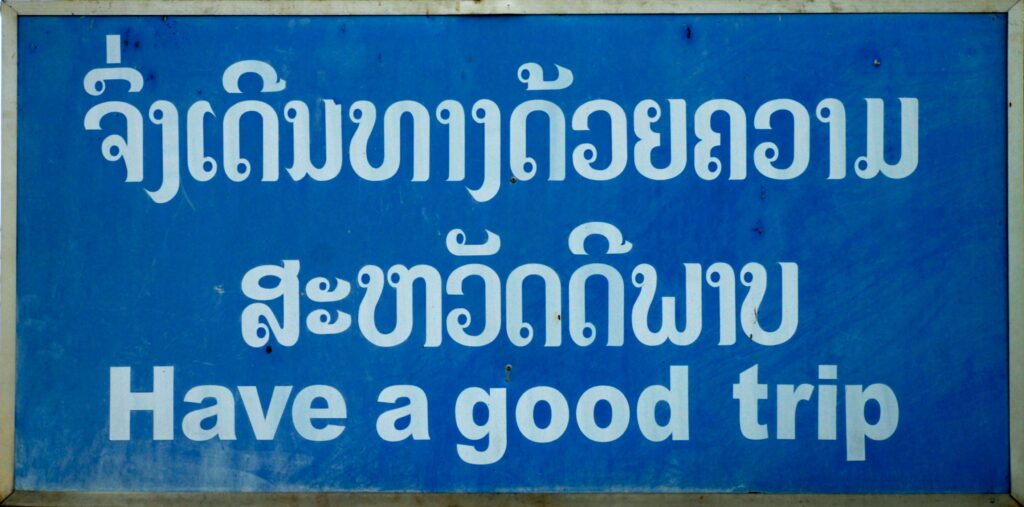
If you’re planning a trip to a country where signs, menus, and maps are written in characters you can’t read, like Greek, Cyrillic, Arabic, Korean, or Thai, it might feel intimidating. But it doesn’t have to be. With the right tools and prep, navigating a different writing system can actually make your trip more fun, immersive, and rewarding.
Here’s everything you need to know before visiting a country with a different alphabet, from practical hacks to cultural tips.

🧠 1. Learn the Basics of the Alphabet
Even if you don’t become fluent, learning just 5–10 letters of the local script can help you:
- Read simple signs (like metro stations)
- Recognize brand names or street names
- Feel more connected to the culture
Try Duolingo, Memrise, or YouTube to get started with a light introduction to the script.
📲 2. Use Offline Translation Tools
Google Translate is a lifesaver, but be sure to download the language pack offline before your trip in case you lose Wi-Fi or cell service.
The photo translation feature is especially helpful for:
- Menus
- Street signs
- Train schedules
- Grocery items
Apps to download:
- Google Translate (has camera + offline features)
- Waygo (great for Asian character-based languages)
- Papago (popular in Korea)

🗺️ 3. Pin Key Places on Google Maps
Before you arrive, star or pin important places in Google Maps using their English names (hotels, landmarks, train stations). This helps when:
- Street signs are only in the local script
- You’re asking someone for directions (you can show your map)
- You’re trying to get back to your hotel quickly
🚇 4. Take Photos of Important Signs
Before leaving the airport or train station, snap pictures of:
- Your hotel name and address (in the local script)
- Subway maps
- Emergency contact numbers
That way you’ll always have something to show a taxi driver or passerby, even if you’re offline.
🧳 5. Know When to Ask for Help
Locals often want to help you, even if there’s a language barrier. Don’t be afraid to:
- Show a screenshot or photo
- Use gestures or point to your map
- Politely ask in English — many people speak at least a little
Saying “hello” and “thank you” in the local language goes a long way.
🍜 6. Menus Might Not Be Translated — Be Flexible
Restaurants outside tourist zones might not have English menus. That’s okay! Try:
- Looking for photos on Google Reviews or the menu
- Asking staff for recommendations (“What’s popular?”)
- Embracing the surprise — it might be the best thing you try all trip
🚖 7. Use Ride-Share Apps When Possible
In countries with difficult-to-read street signs or handwritten addresses, ride-share apps like Uber, Bolt, or Grab can help avoid communication mix-ups with taxis. They use GPS and English interfaces to simplify the process.
🛂 8. Be Extra Careful with Documents and Travel Forms
If arrival forms or customs paperwork are written in the local language, ask staff for assistance or look up a translated sample form online ahead of time. Double-check details like:
- Arrival dates
- Visa stamps
- Hotel addresses
🎯 Final Thoughts
Yes, visiting a country with a different alphabet can feel overwhelming at first, but it’s also one of the best ways to step outside your comfort zone and experience a culture in a more authentic way. With a little preparation and an open mind, you’ll not only manage, you’ll thrive.


Leave a Reply