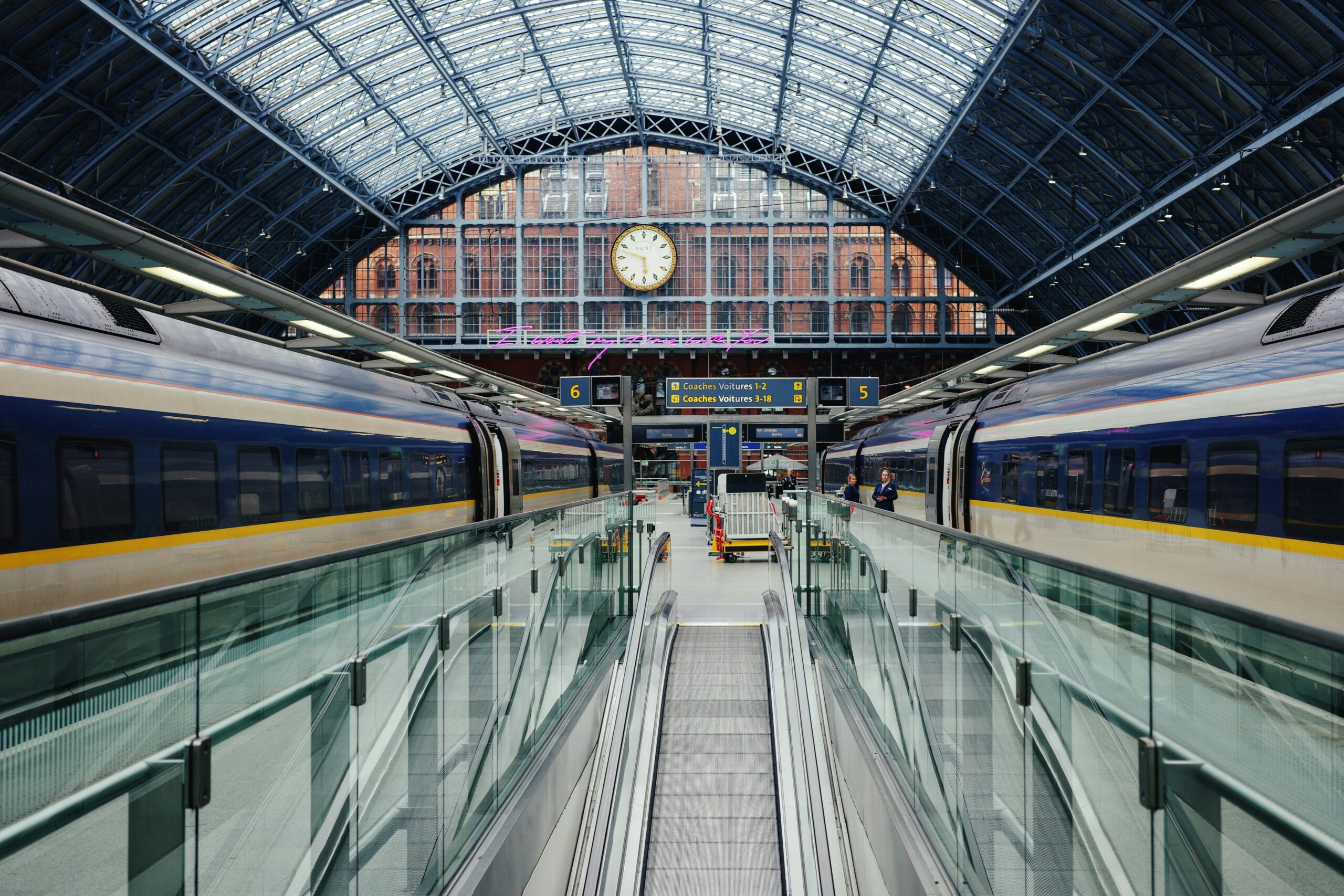
Planning a European adventure and trying to figure out whether to fly or ride the rails? With Europe’s network of budget airlines and ultra-efficient train systems, it can be tough to know which offers the best value, not just in price, but in time, convenience, and overall experience.
Here’s how train travel stacks up against flying on Ryanair, EasyJet, and other budget airlines, broken down by cost, comfort, time, and the hidden factors most travelers forget to consider.
💸 1. Cost: Who Wins on Price?
Budget Airlines:
At first glance, airlines like Ryanair and Wizz Air seem unbeatable, with fares often under €30. But the catch? Add-ons.
Typical extra fees:
- Checked luggage (€20–50)
- Carry-on larger than a backpack (€15–30)
- Seat selection (€5–20)
- Airport transfers (budget airports are often far out)
What looks like a €20 flight can easily become €80+ after all the “extras.”
Trains:
Train fares are generally more transparent and often include everything up front, including luggage and seat reservations. Early-bird fares on routes like Paris–Amsterdam or Berlin–Prague can be surprisingly affordable, especially with passes.
🟢 Winner: Tie — Airlines win on flash sales; trains win on overall predictability and fewer hidden costs.
🕐 2. Total Travel Time: It’s Not Just About Flight Duration
Budget Airlines:
A 1.5-hour flight might actually take 5+ hours door-to-door when you include:
- Early airport arrival
- Long security lines
- Transfers from distant airports (hello, “Paris” Beauvais or “London” Stansted)
Trains:
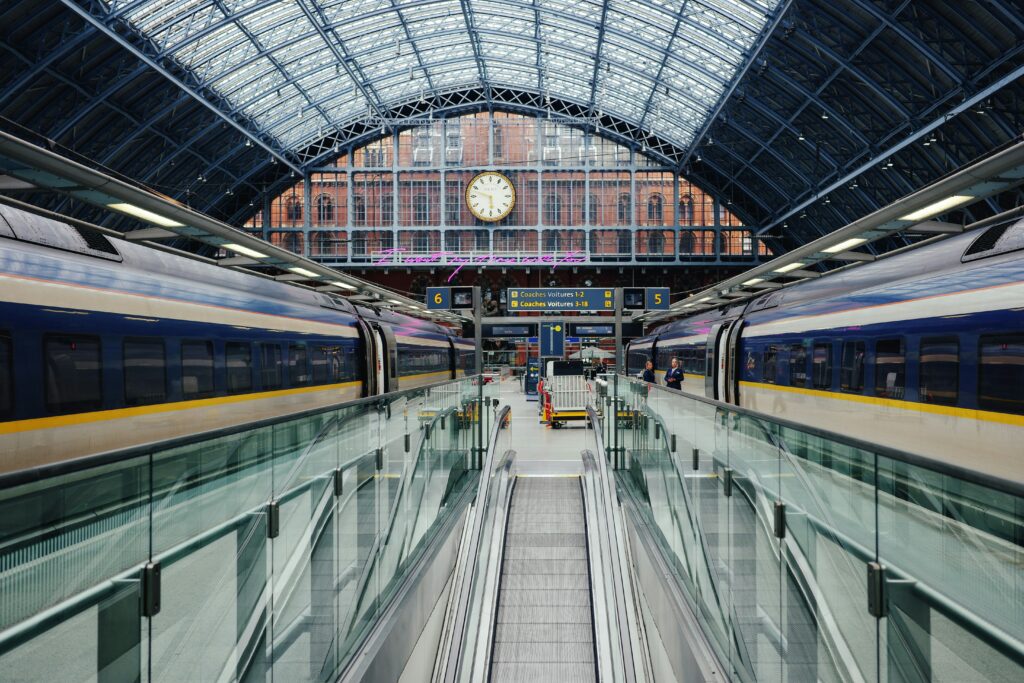
Europe’s high-speed trains (like the TGV, ICE, or Eurostar) go city center to city center. Typically when you travel by train, the security checks and wait times are less intense than when you travel by plane.
Example:
- Flight: Paris to Amsterdam – 1.5 hrs flight + 3–4 hrs airport logistics
- Train: Paris to Amsterdam – 3.2 hrs total, start to finish
🟢 Winner: Train, especially for trips under 5–6 hours
💺 3. Comfort and Experience
Budget Airlines:
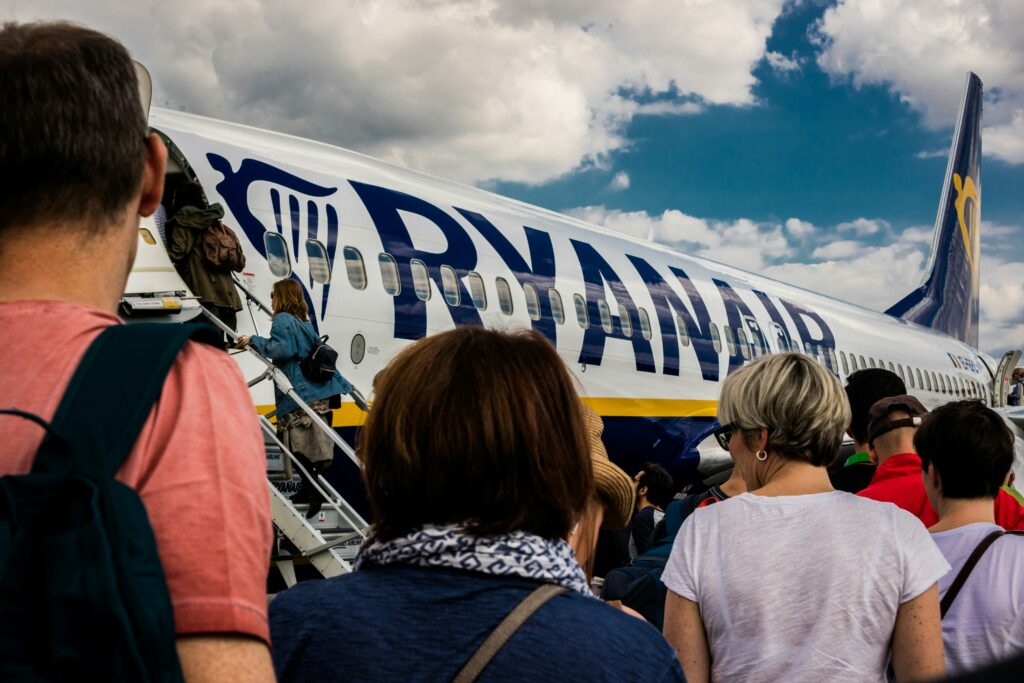
Tight legroom, strict baggage enforcement, and no-frills service. Fine for short hops but rarely enjoyable.
Trains:
More legroom, freedom to move around, Wi-Fi on many routes, and scenic views. You can even bring snacks and wine aboard, no plastic-wrapped chicken needed.
🟢 Winner: Train — hands down for comfort and experience
🌍 4. Environmental Impact
Flying is one of the biggest contributors to your travel carbon footprint. Short-haul flights are particularly bad due to fuel use during takeoff and landing.
Train travel emits up to 90% less CO₂ per passenger compared to flying.
🟢 Winner: Train, especially for sustainable travelers
🗺️ 5. Accessibility and Convenience
Airlines serve more distant and rural areas, especially islands and remote regions. But airports are often far from city centers.
Trains shine in countries like France, Germany, Italy, and Spain — with extensive, reliable rail networks. Major cities are connected in 2–6 hours, often more efficiently than flying.
🟢 Winner: Depends on the route — Trains dominate in Western Europe; flights may be necessary for places like Greece or the Baltics
💡 When to Choose Each Option
| Choose Trains When… | Choose Budget Flights When… |
|---|---|
| The ride is under 6 hours | You’re flying 1,000+ km |
| You want city-center arrival | The train route is indirect |
| You value comfort and scenery | You scored a true flight deal |
| You’re traveling sustainably | You’re on a tight schedule |
🧳 Final Verdict
Trains are almost always the better deal when you factor in time, comfort, and hidden costs. They offer a relaxed, scenic way to see Europe, and often get you there faster than you think.
But don’t rule out flights entirely, especially if you’re visiting places off the train grid or snag a rock-bottom fare.
🧠 Pro tip: Use sites like Rome2Rio, Trainline, or Omio to compare real total time and cost before you book.

Leave a Reply