
Remote work is here to stay, and so is the dream of living abroad while you do it. In response, dozens of countries have introduced digital nomad visas, designed specifically to attract remote workers like you.
But not all nomad visas are created equal. Some are complicated, expensive, or restrictive. Others? Surprisingly welcoming.
Here are the countries that actually want digital nomads in 2025, and what you need to know before applying.

✈️ What Is a Digital Nomad Visa?
A digital nomad visa allows remote workers to legally live and work (for an overseas employer or their own clients) in a foreign country for an extended period, often 6 to 24 months. They’re different from tourist visas because:
- You can stay longer
- You often get access to local services (like banking or healthcare)
- You’re expected to work remotely, not locally
🌴 1. Portugal
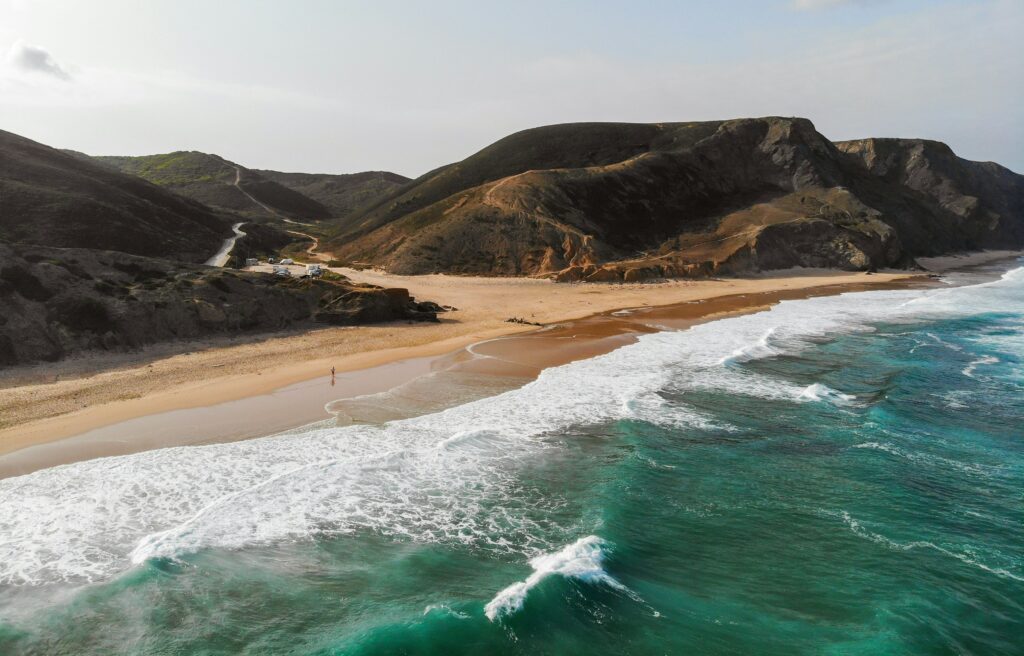
Why they want you: Portugal has become one of the most digital nomad–friendly countries in the world. With mild weather, low cost of living, and tons of coworking hubs, it’s ideal for long-term remote work.
Visa name: D8 Digital Nomad Visa
Length: 1 year, renewable up to 5 years
Minimum income: €3,280/month (4x Portugal’s minimum wage)
🇪🇸 2. Spain
Why they want you: After years of anticipation, Spain launched its digital nomad visa in 2023. The country’s fast internet, vibrant cities, and tapas culture are a big draw.
Visa name: Spain Digital Nomad Visa
Length: 1 year (renewable up to 5)
Minimum income: €2,646/month
Bonus: You can pay a reduced tax rate for 5 years.
🇲🇺 3. Mauritius
Why they want you: This Indian Ocean island isn’t just a tropical paradise — it actively courts remote workers with a totally free visa.
Visa name: Premium Travel Visa
Length: Up to 1 year
Minimum income: Proof of sufficient funds + travel insurance
Cost: Free!

🇭🇷 4. Croatia
Why they want you: With its stunning coastline and medieval towns, Croatia’s digital nomad visa comes with tax perks and easy living.
Visa name: Temporary Stay for Digital Nomads
Length: Up to 1 year (non-renewable)
Minimum income: ~€2,540/month
🇨🇷 5. Costa Rica
Why they want you: Costa Rica is laid-back, beautiful, and English-friendly — and its government is banking on remote workers to boost the economy.
Visa name: Rentista Visa (Digital Nomad Subclass)
Length: 1 year (renewable)
Minimum income: $3,000/month or $5,000 with dependents
🇮🇸 6. Iceland
Why they want you: For those seeking solitude, geothermal hot springs, and dramatic landscapes — Iceland offers a rare short-stay nomad visa.
Visa name: Long-Term Remote Work Visa
Length: 6 months max
Minimum income: ~$7,700/month (highest on the list)
Note: Designed for non-EU/EEA nationals

🇧🇧 7. Barbados
Why they want you: This Caribbean island was one of the first to launch a digital nomad visa in 2020 and is still going strong.
Visa name: Barbados Welcome Stamp
Length: 12 months (renewable)
Minimum income: $50,000/year
Bonus: No income tax on foreign-earned income
🇬🇪 8. Georgia
Why they want you: Georgia’s “Remotely From Georgia” program has zero visa fees and welcomes over 90 nationalities.
Visa name: Remotely From Georgia
Length: 1 year
Minimum income: $2,000/month
Cost: Free!
🇮🇩 9. Indonesia (Bali)
Why they want you: Indonesia plans to introduce a 5-year visa for remote workers who earn foreign income and don’t compete with local jobs — perfect for Bali-based nomads.
Visa name: Second Home Visa (in development for nomads)
Length: Up to 5 years
Minimum income/assets: ~$130,000 in a local bank (requirements evolving)
🇲🇹 10. Malta
Why they want you: Malta’s English-speaking population, fast internet, and Mediterranean vibes make it a great choice for digital nomads.
Visa name: Nomad Residence Permit
Length: 1 year (renewable)
Minimum income: €2,700/month

✍️ Things to Keep in Mind
Before you apply, make sure you:
- Have health insurance (often required)
- Can prove your income
- Don’t plan to work for a local employer
- Understand the tax implications (some countries still tax global income)
Also: some digital nomad visas require in-person application or background checks.
🧳 Final Thoughts
In 2025, the global remote work lifestyle has never been more viable, and these countries are rolling out the welcome mat.
Whether you’re seeking a beachfront apartment in Bali or a cozy flat in Lisbon, a digital nomad visa might be your ticket to living and working abroad legally, comfortably, and adventurously.

Leave a Reply